The Village of Rus Rus

Rus Rus is a village 60 miles down a winding dirt road. However, what you find there is quite amazing. Below is an aerial view of the approaching village. (It looks even better if you click on the photo to enlarge the view) What looks like a long path in the open area of the trees actually is their grass runway, which we used to land the plane. You may also notice some of the buildings near that runway that are used by the American mission family that lives there. Some of the buildings can not be seen due to the trees. The main buildings there that the mission family use are: medical/dental clinic, duplex house, airplane hanger, guest house, one-room elementary school, a small store/storage building, a generator shed, and other out-buildings. Most of these buildings are cement block structures, unlike the villagers’ houses which are wooden with thatch or tin roofs. Most of the village houses are out of view to the left of this photo. The village has no specific boundary but the population is about 200 people.
In the upper corner of the photo you can faintly see the mountains of Nicaragua. That is the area where most of our clinic patients come from. From Rus Rus it is a 5+ mile walk to the Coco River and then further on to their villages. The Coco River forms the border between Honduras and Nicaragua.
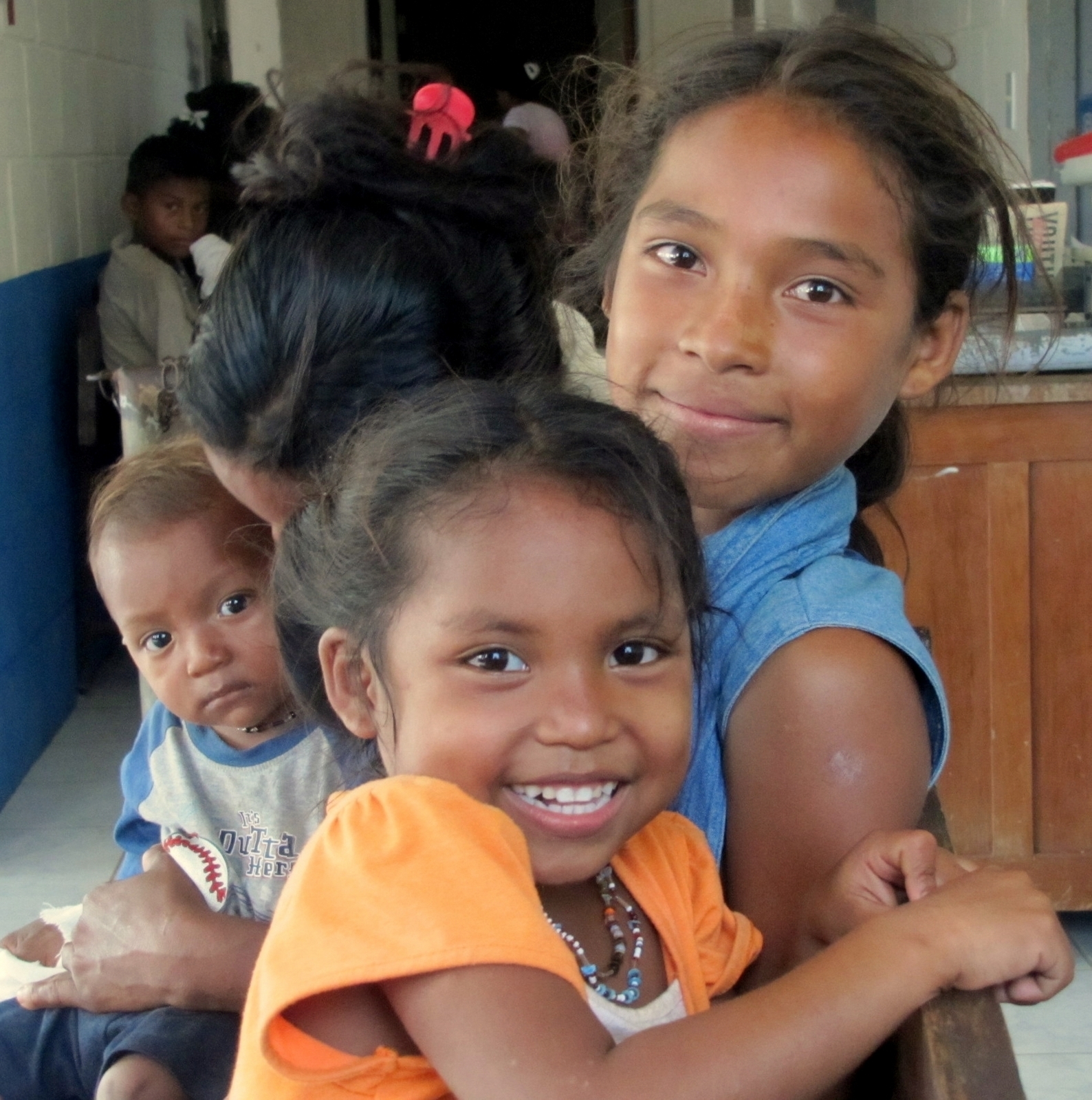
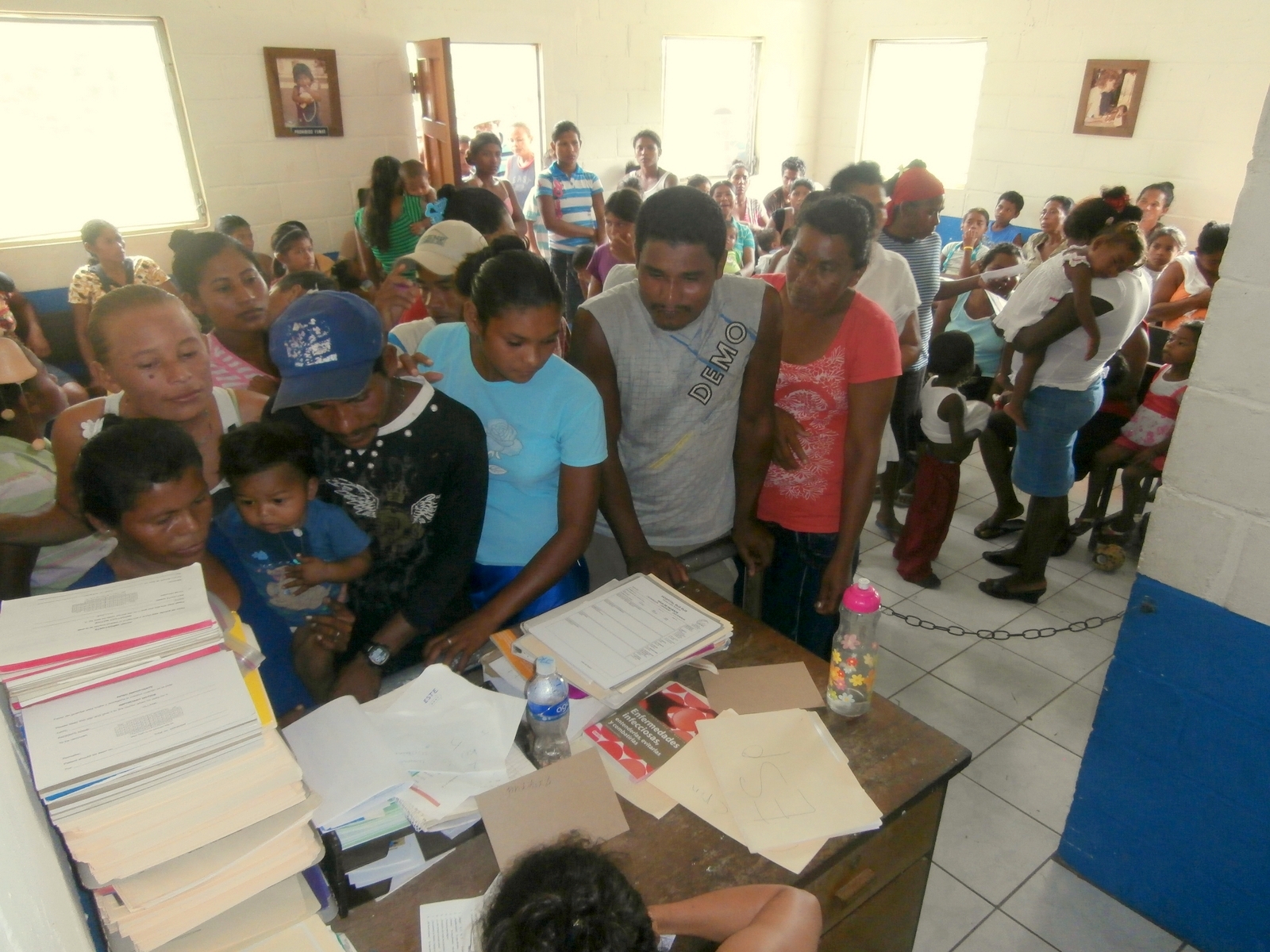
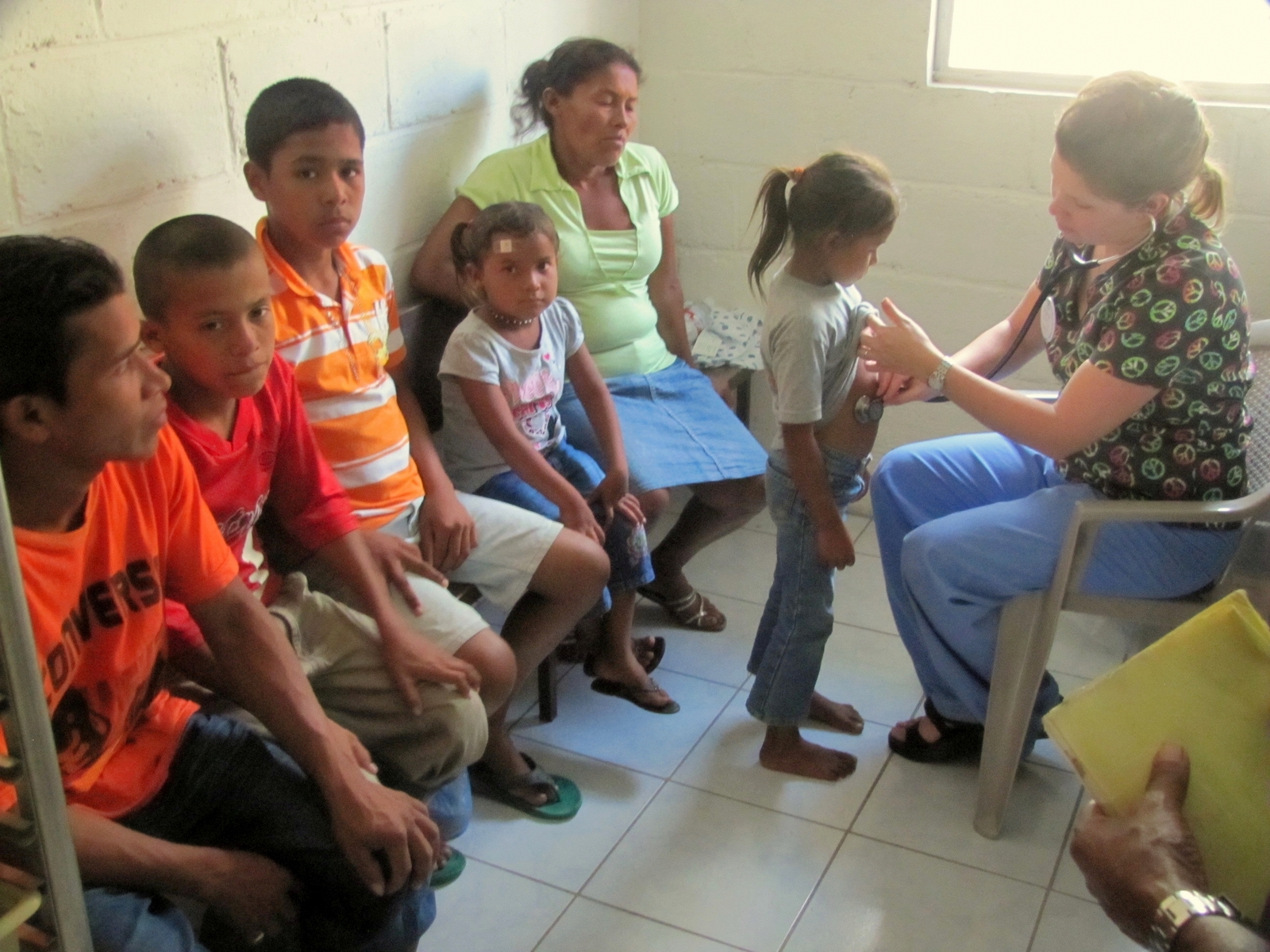
When the team arrives in Rus Rus, the first thing they do is go to the clinic area of the hospital to unload and sort all their medical, dental, and pharmacy supplies. As shown below, many patients are waiting there to be seen by the doctor or dentist.


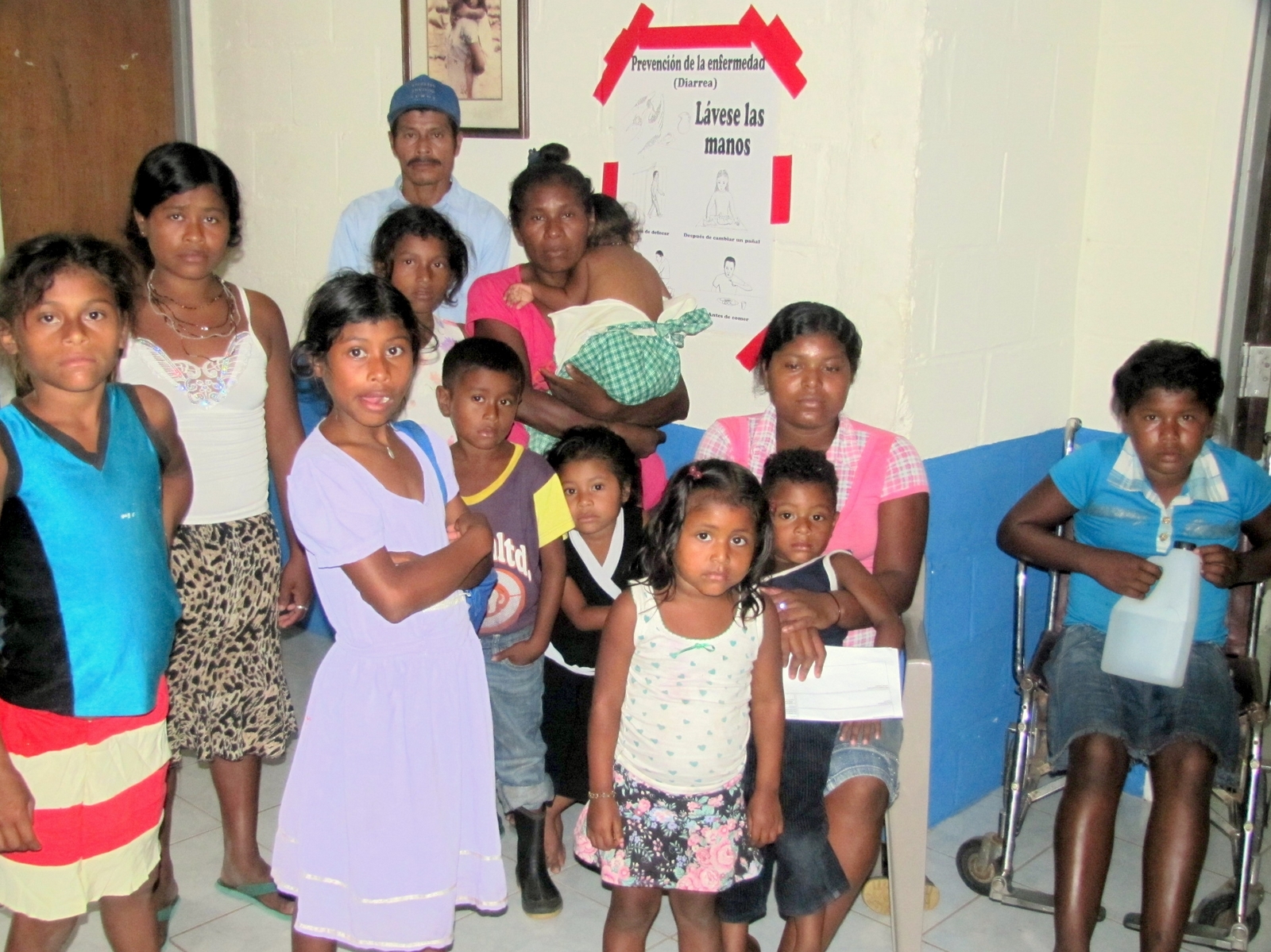
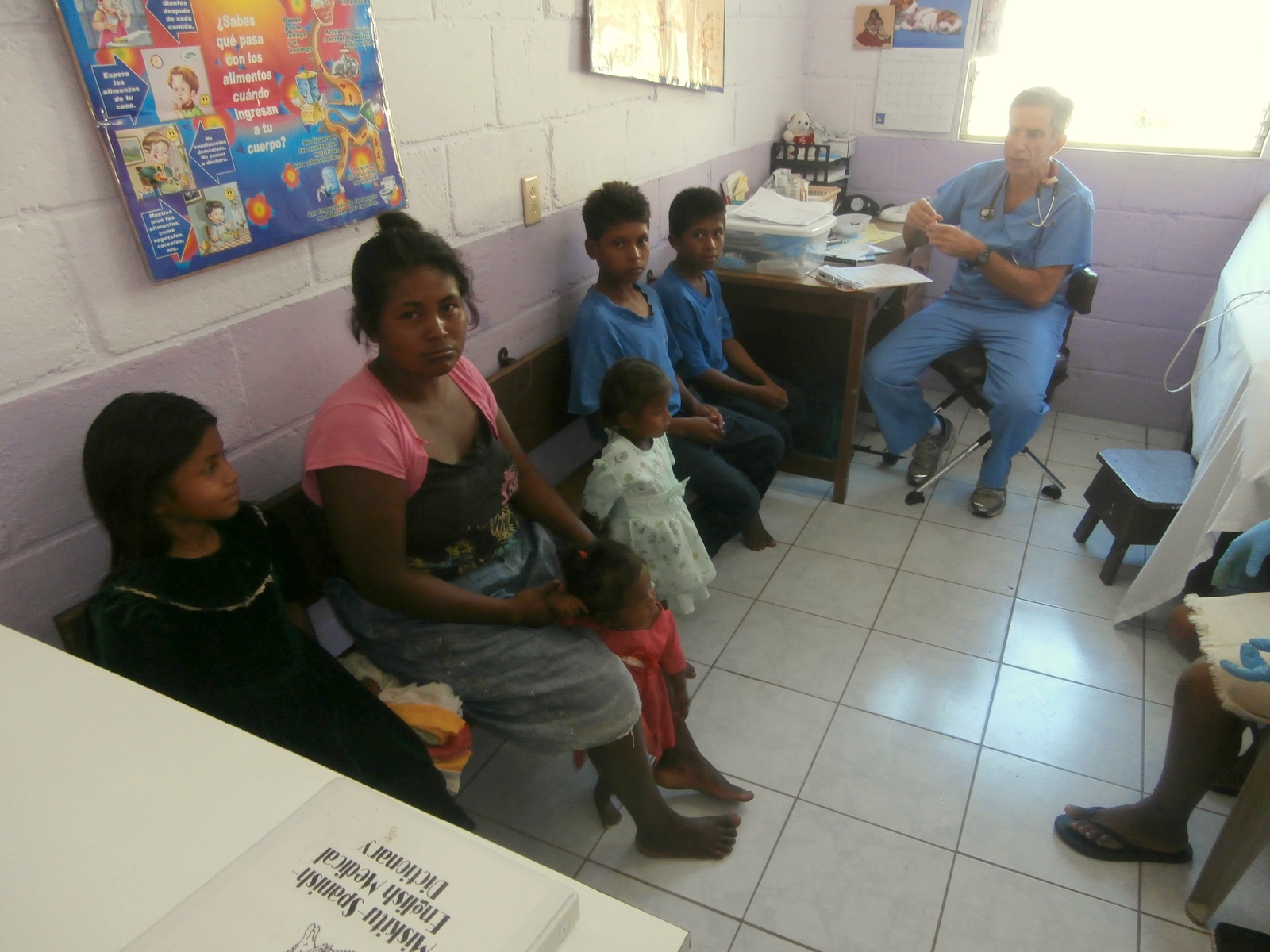
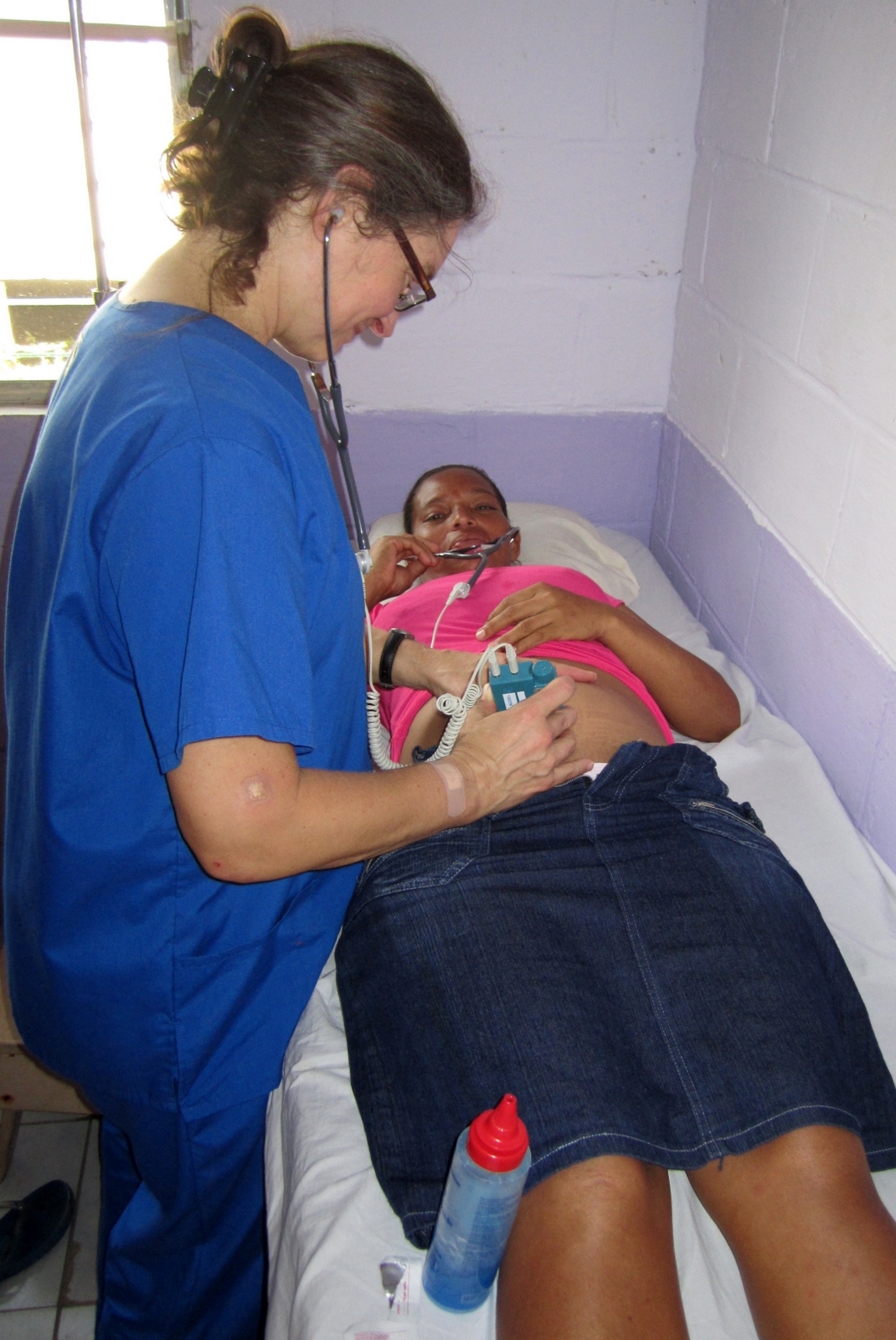
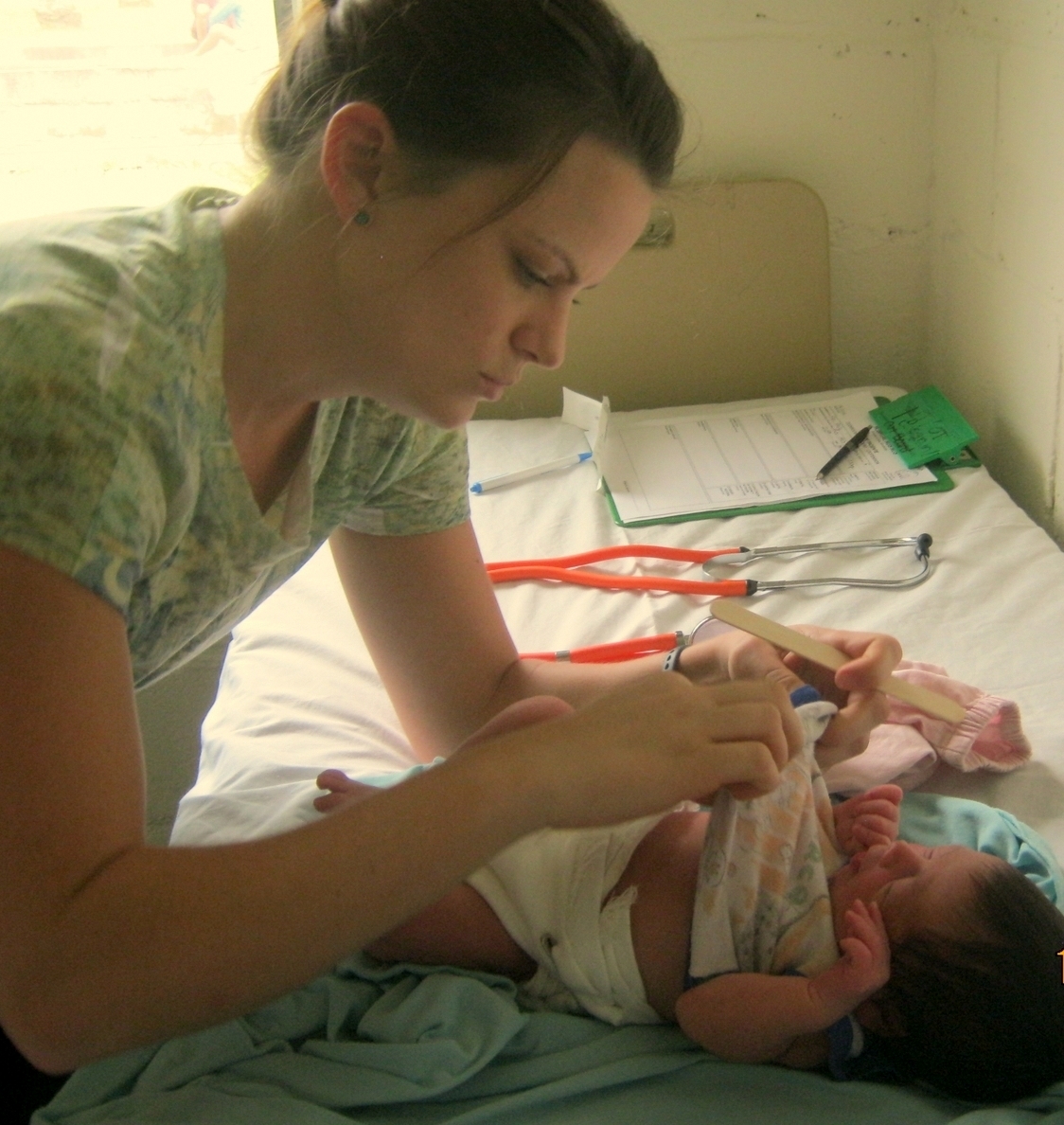
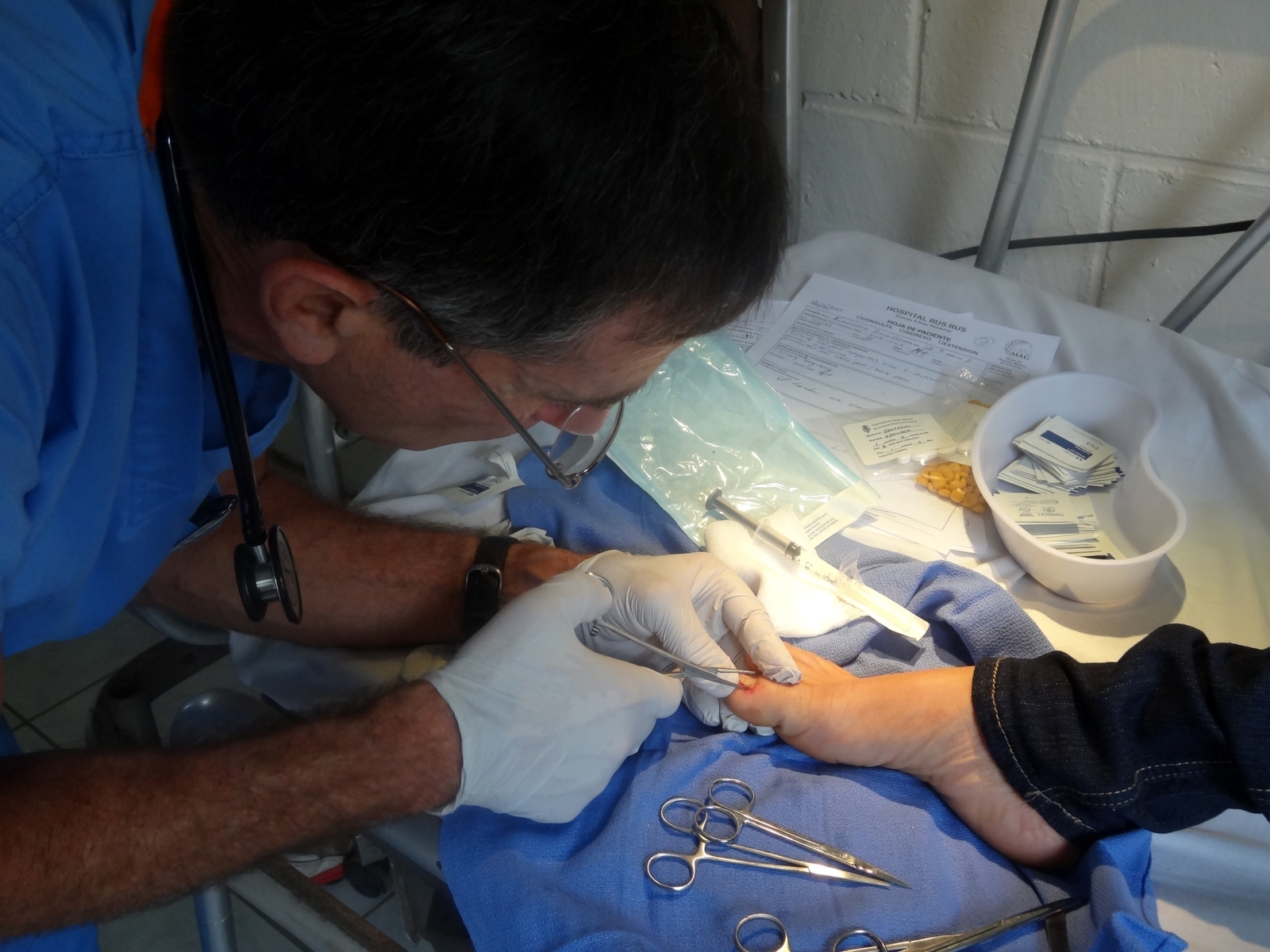
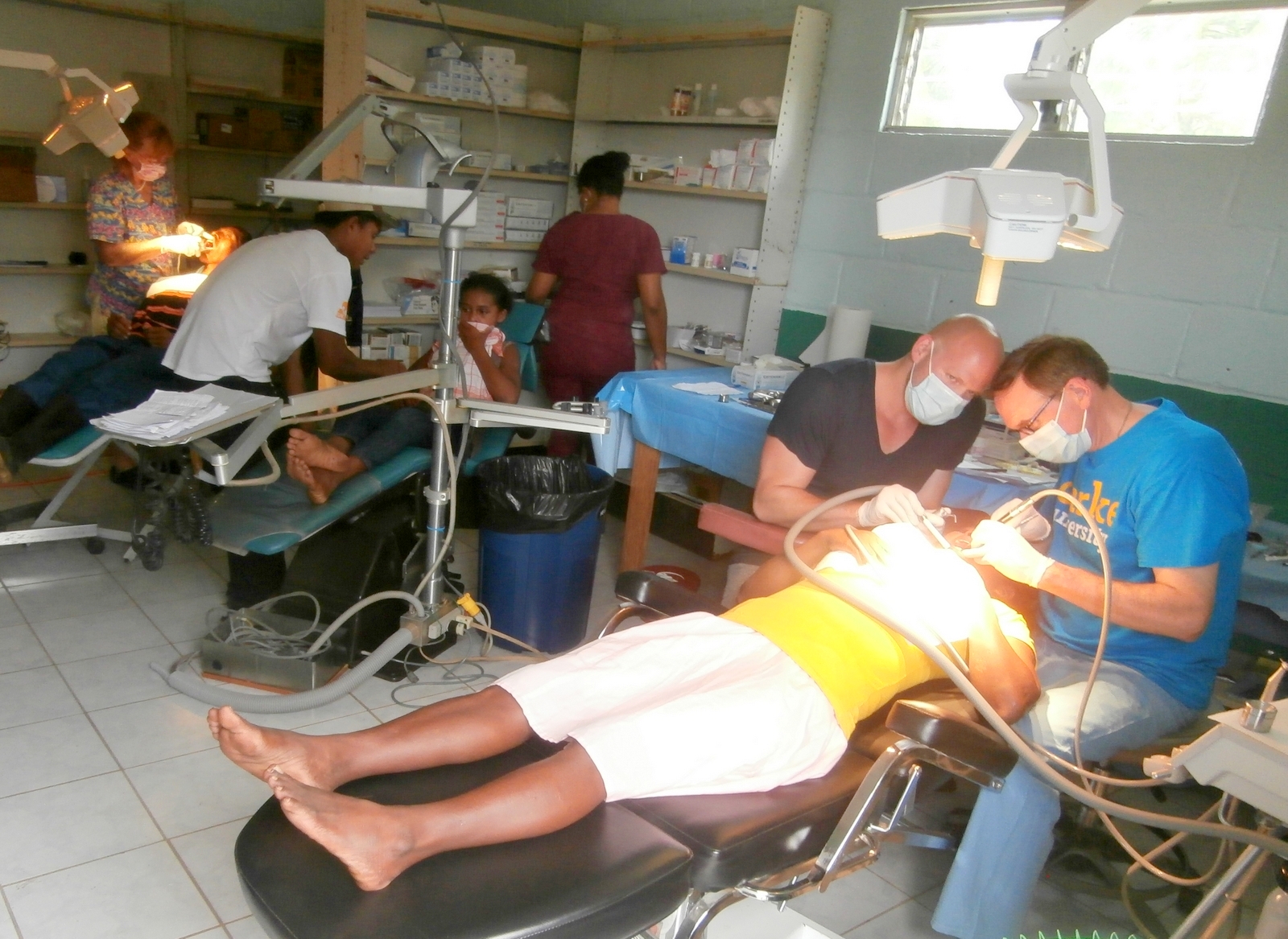
Once the team is set up and ready to go, they will have someone register each patient to go to the needed clinic (medical, dental, glasses). The triage area reviews patients needs and determines if the patient will be seen by a doctor or nurse. Sometimes entire families are seen at one time. Minor surgeries are done on-site under local anesthetic.
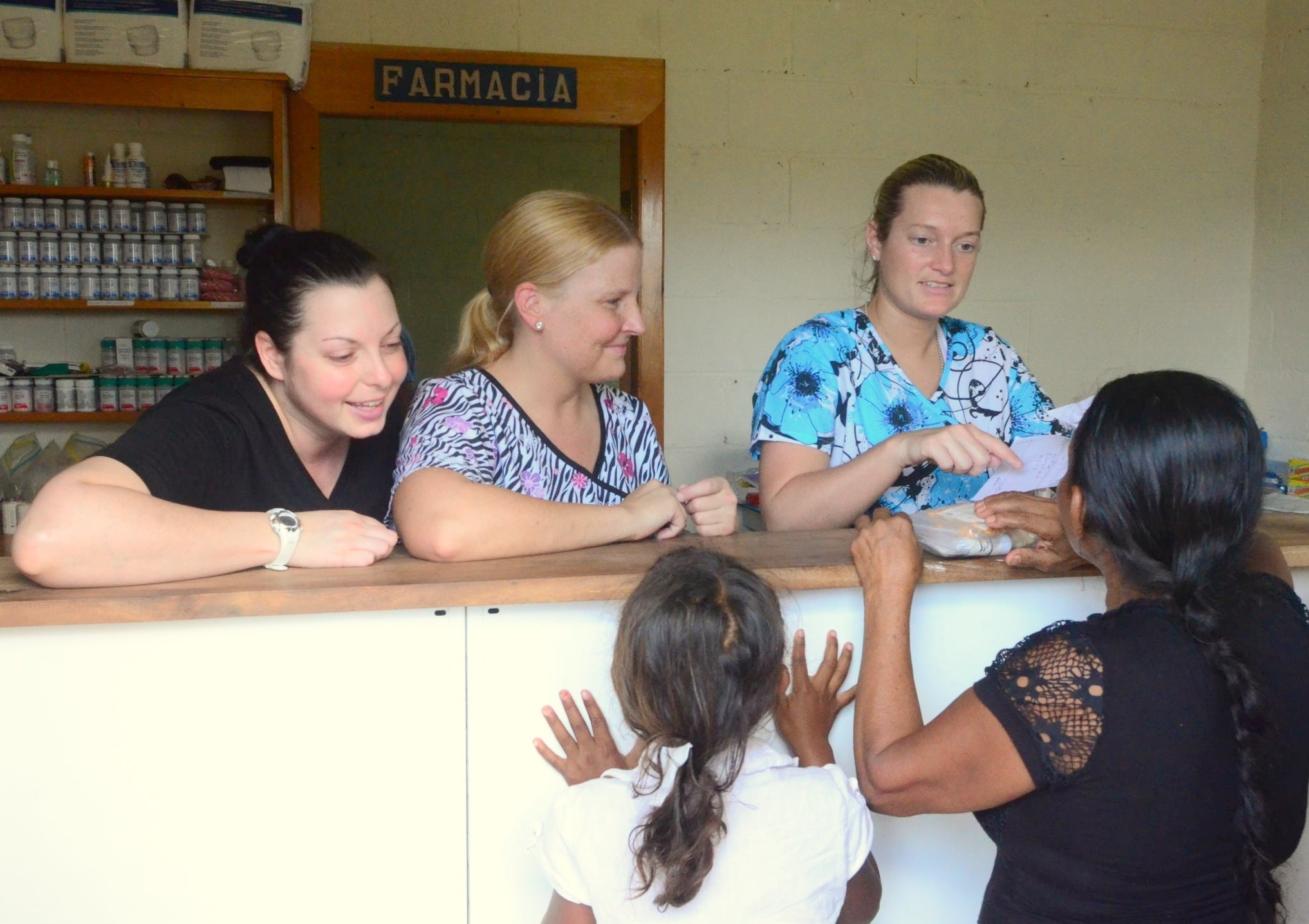
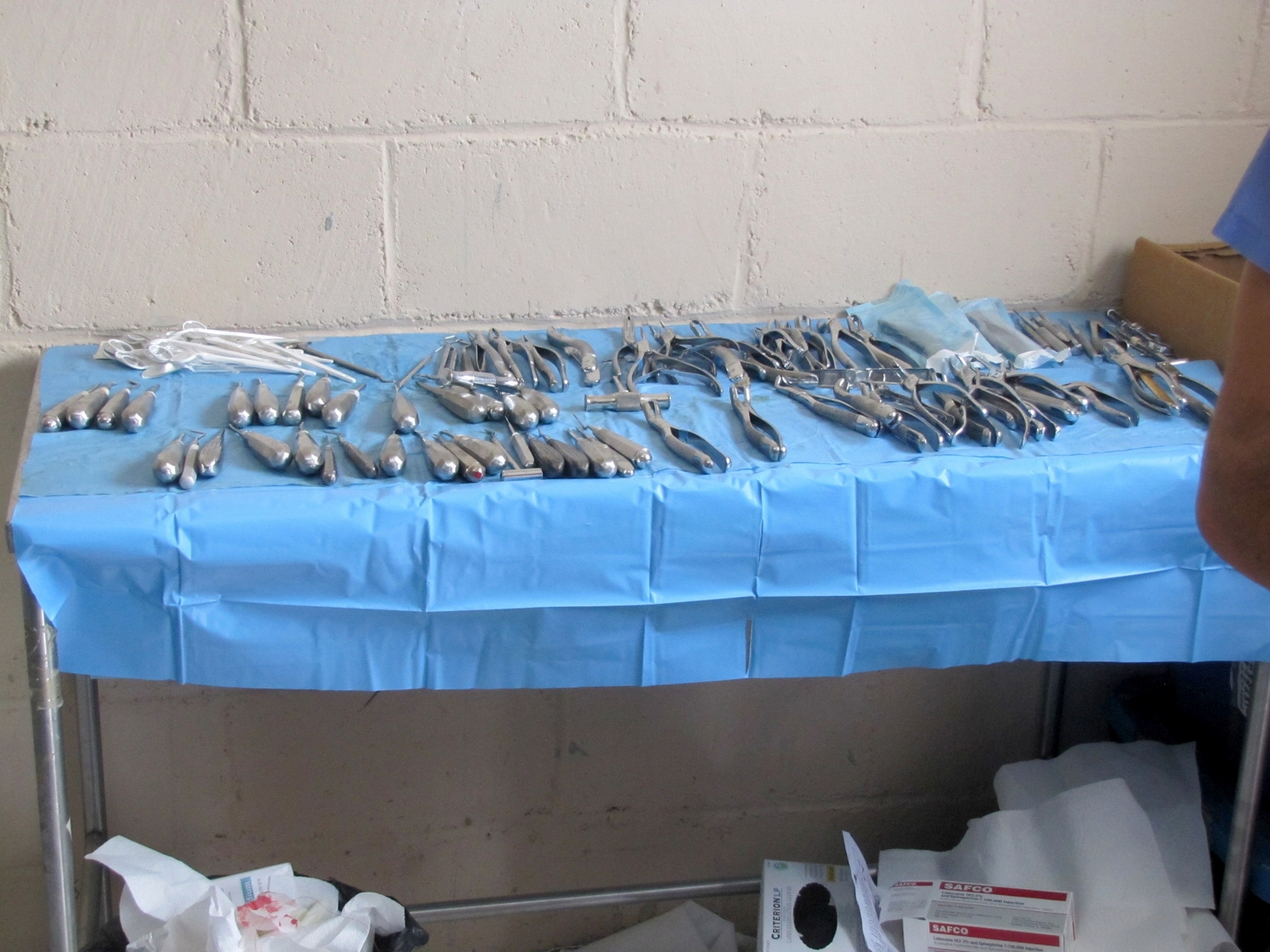
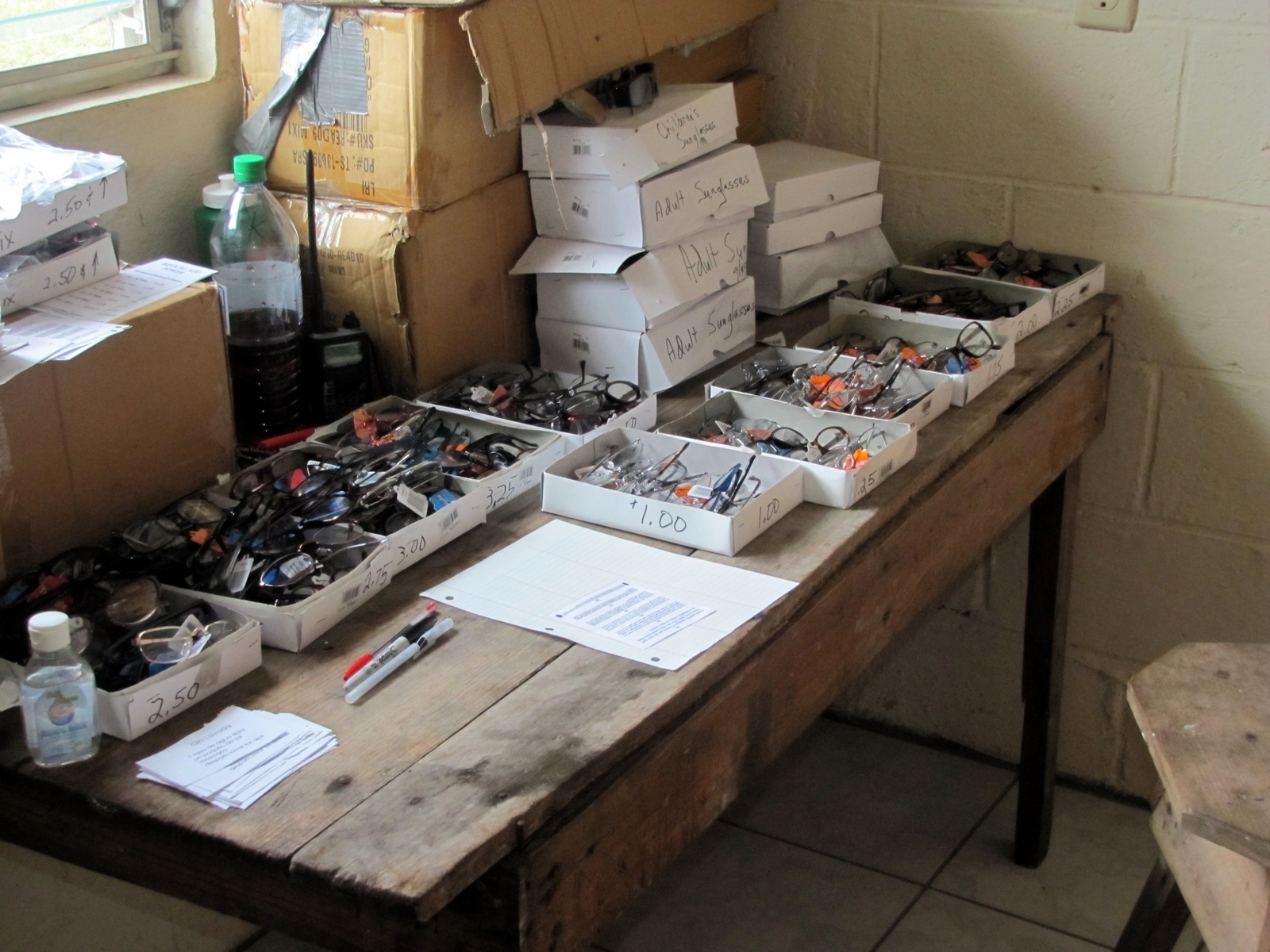
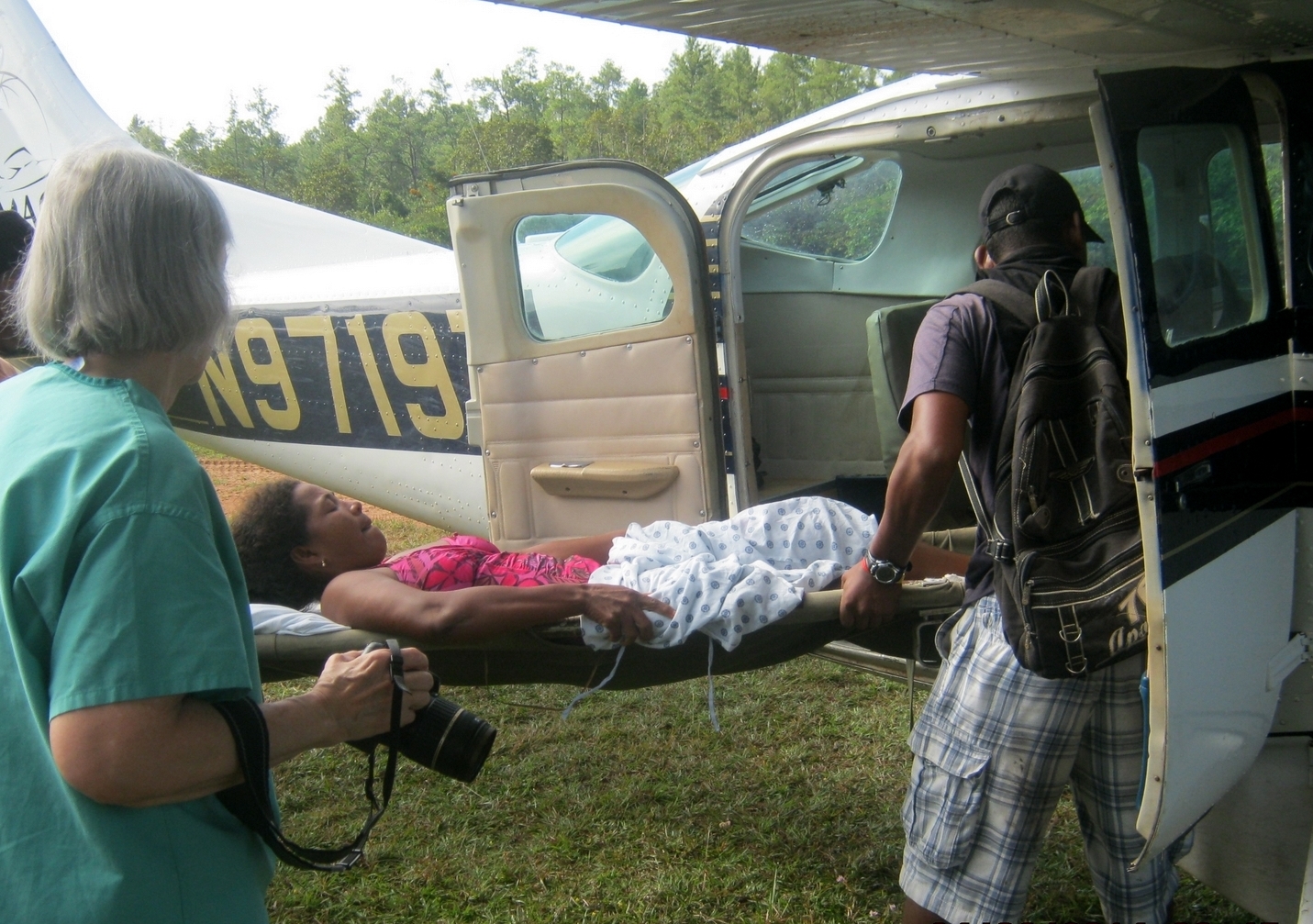
The team brings many strengths of reading glasses plus sun glasses to hand out. They make a huge difference for many patients who have no other way to get glasses to read and do work. There are usually three dental stations and a pharmacy. Occasionally, patients require air transport for major issues.


Volunteer Accomodations
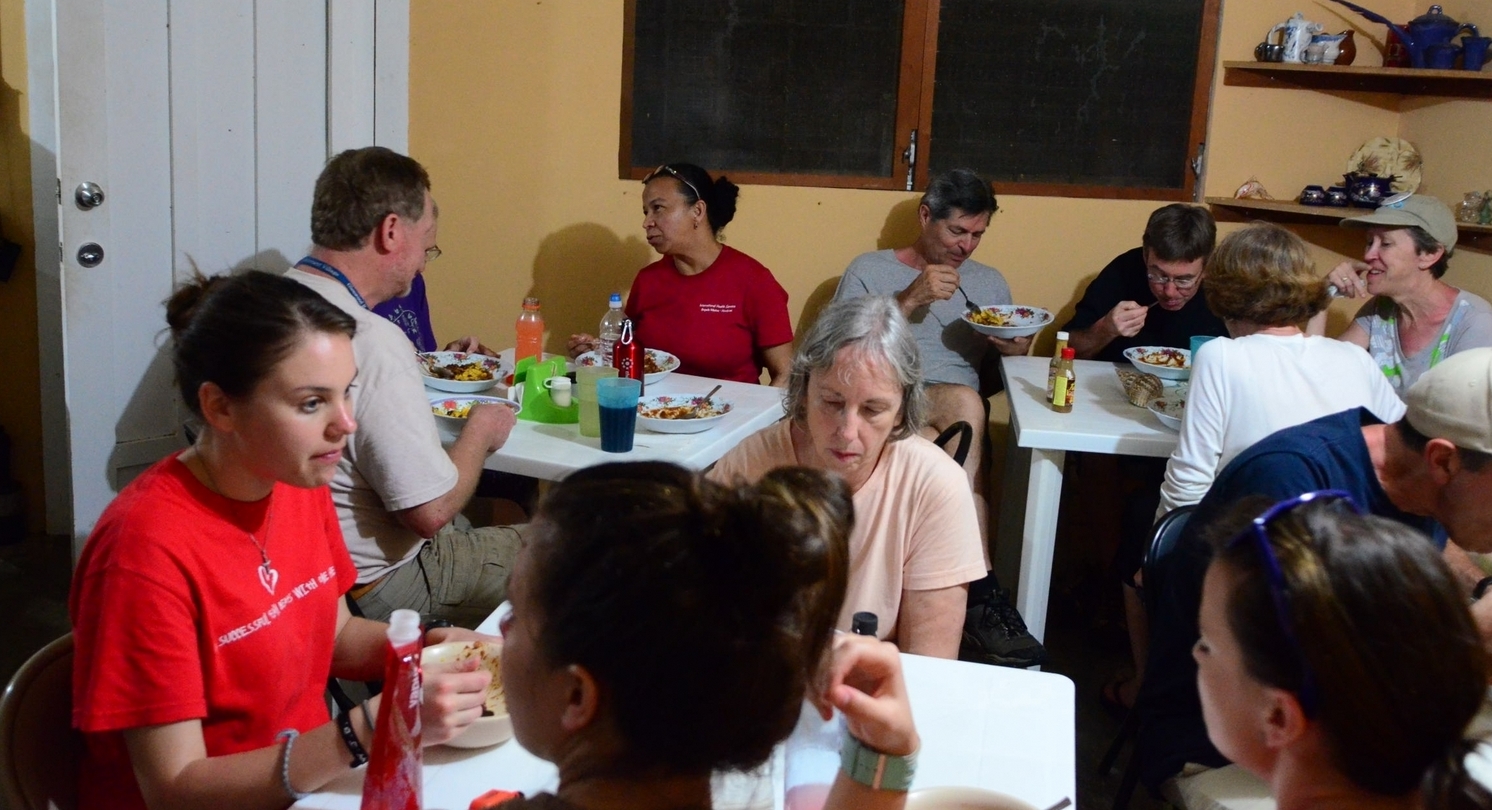
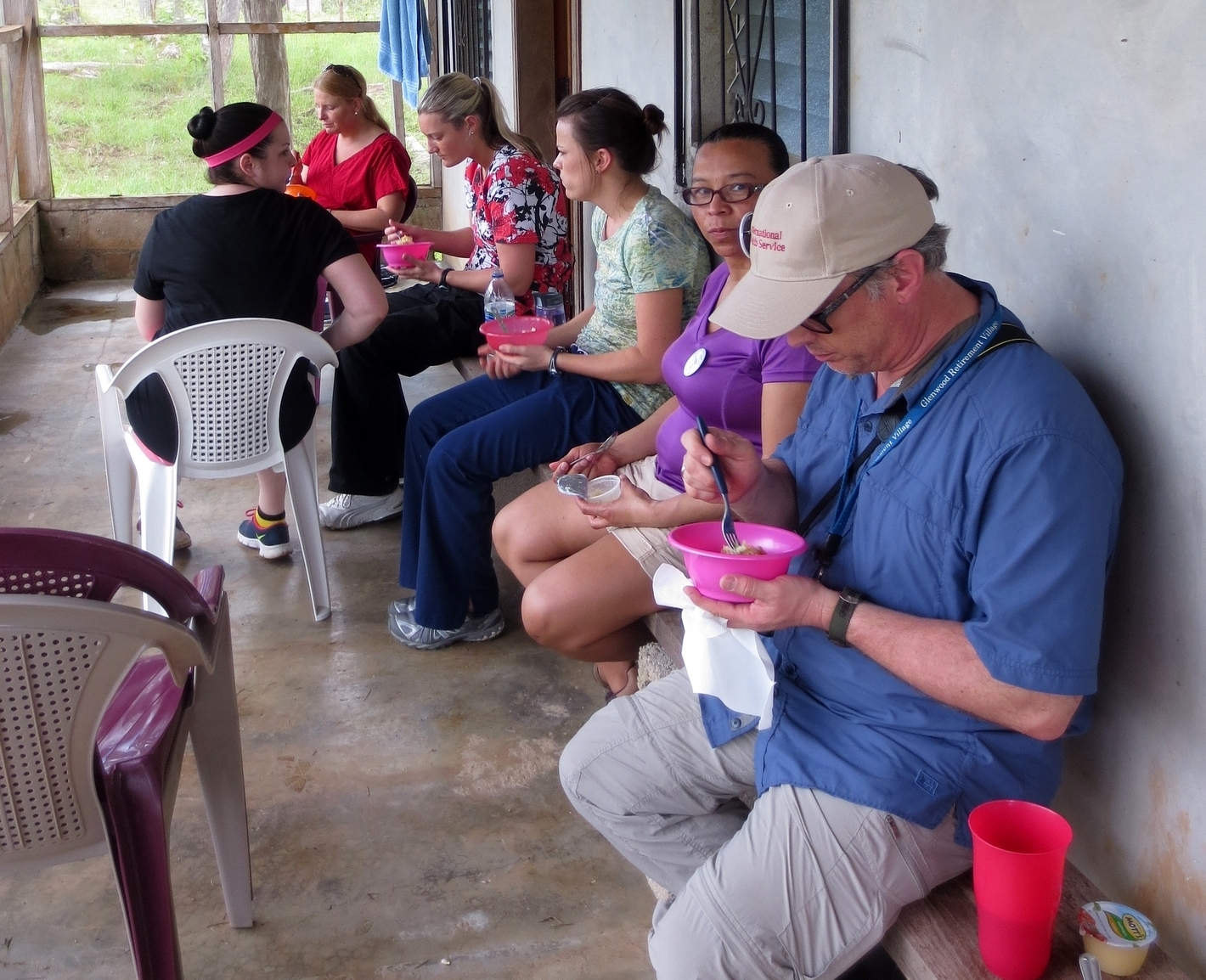
Volunteers in Rus Rus live and work directly in the area they serve. We usually cook & eat most of our meals at the guest house, which is near the clinic. Dishes are washed in tubs but there is purified drinking water. Refridgerators run on generators to keep food fresh. There are community areas for playing cards and relaxing after a long day of seeing patients.
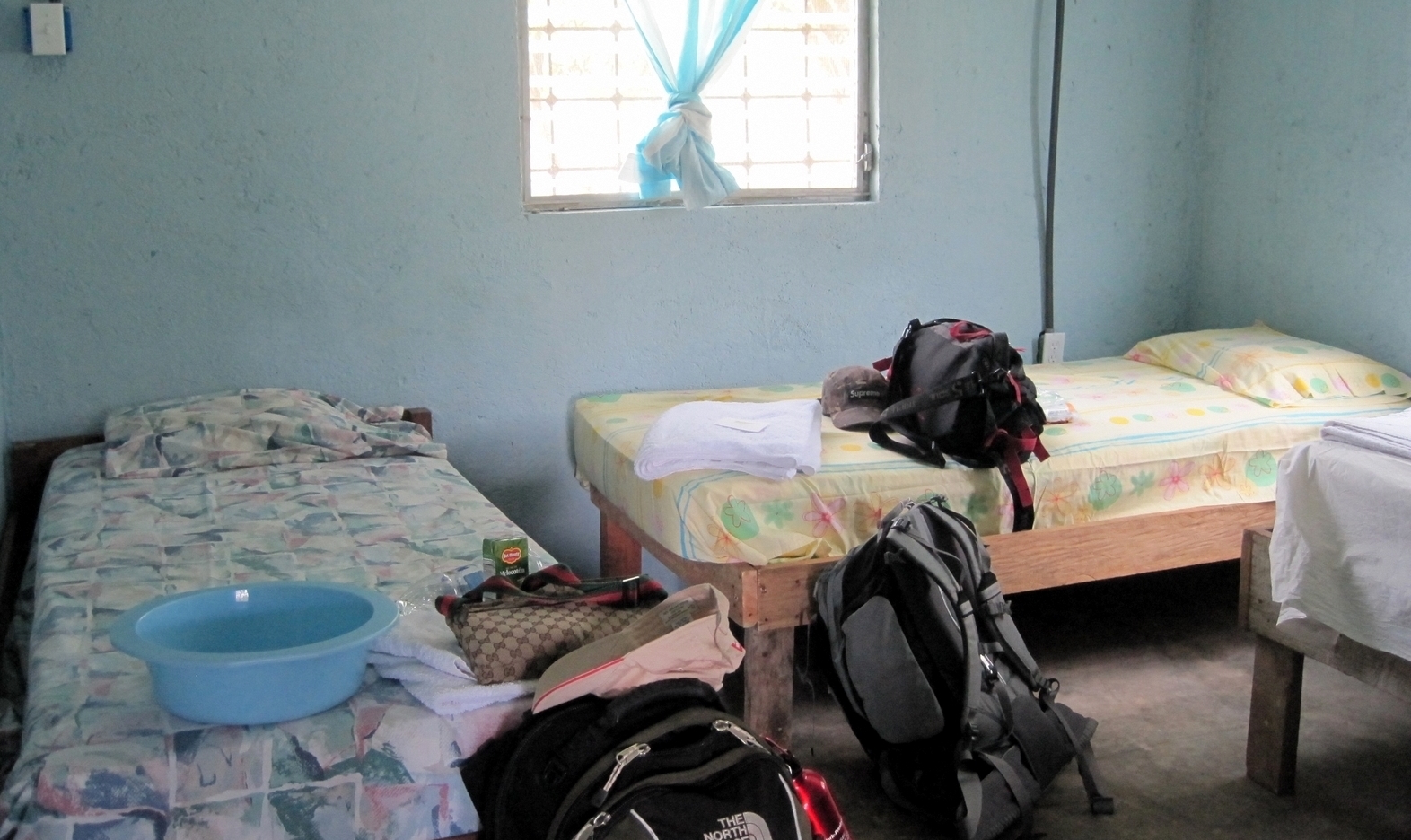
For sleeping, we have a couple places we can stay. This is a sleeping room at the guest house. It is small but comfortable. There is a separate area to keep personal items and bathroom with a flush toilet, sink, and shower (no hot water).
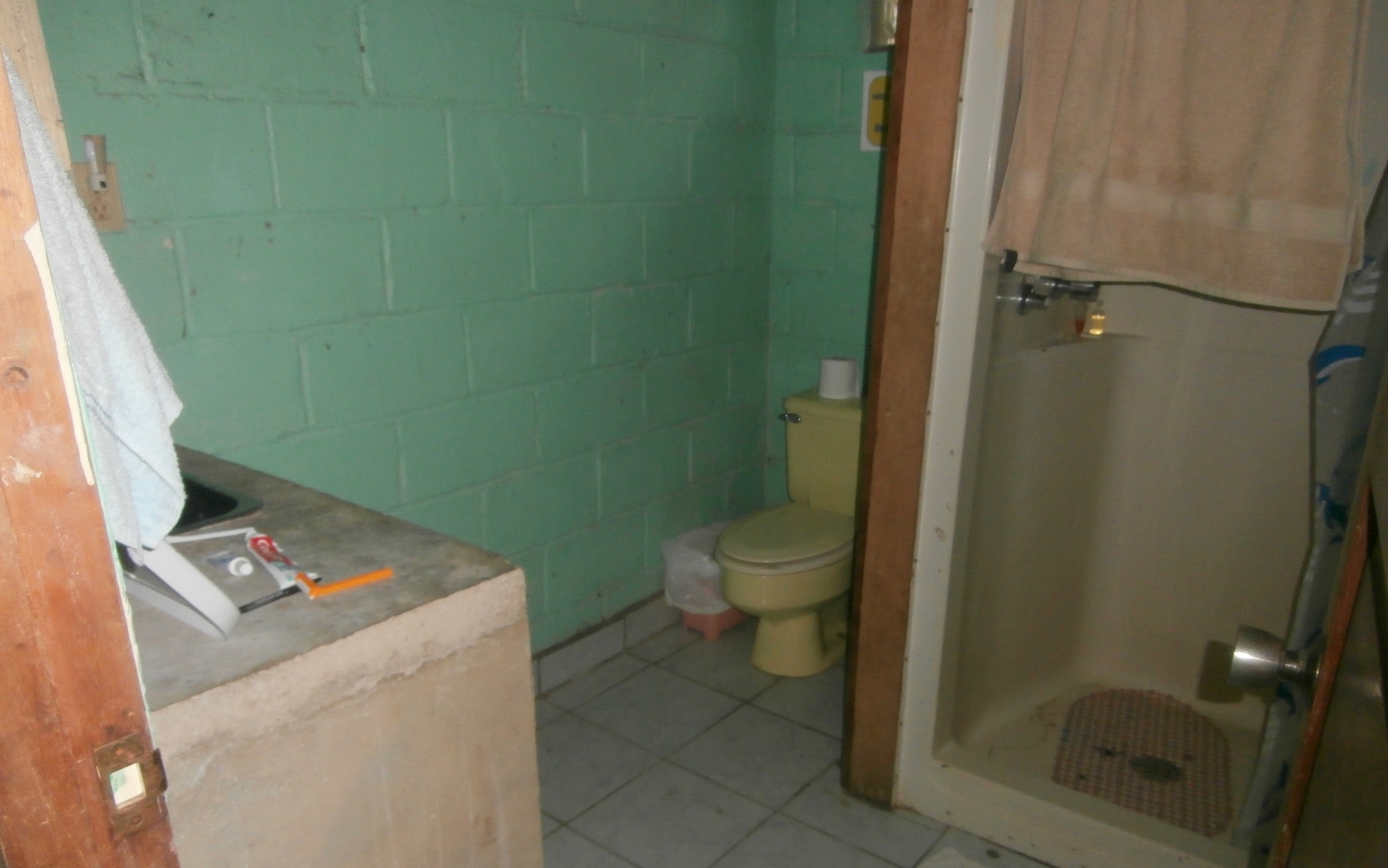
There are also “apartments” next to the clinic. They have some space in the room, and a shelf for some personal things. Near the sleeping area is one of the apartment bathrooms. The sink and mirror is to the left. The shower on the right, which has just cold water, is rigged so we can hang solar showers, too.



Life in the Village
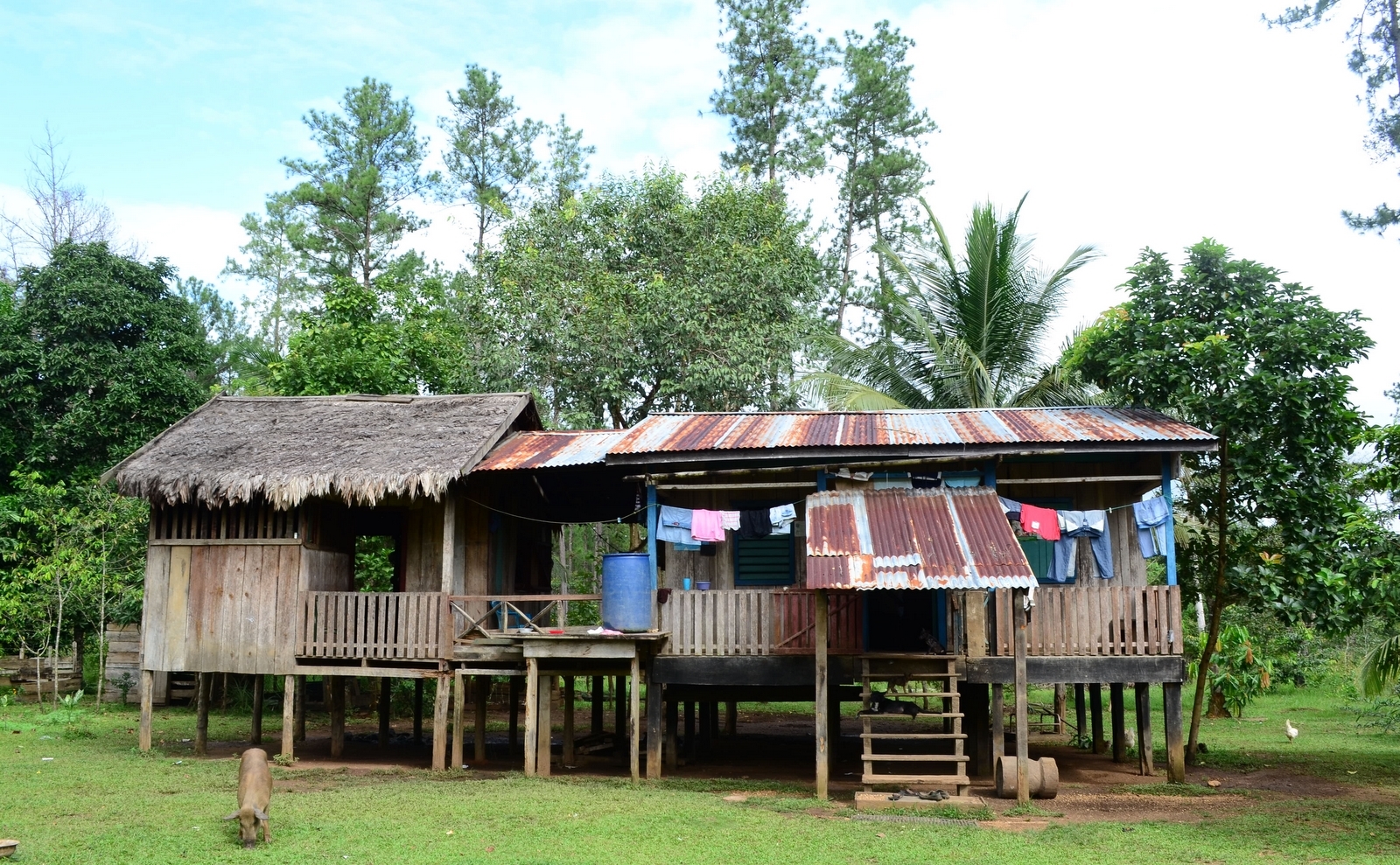
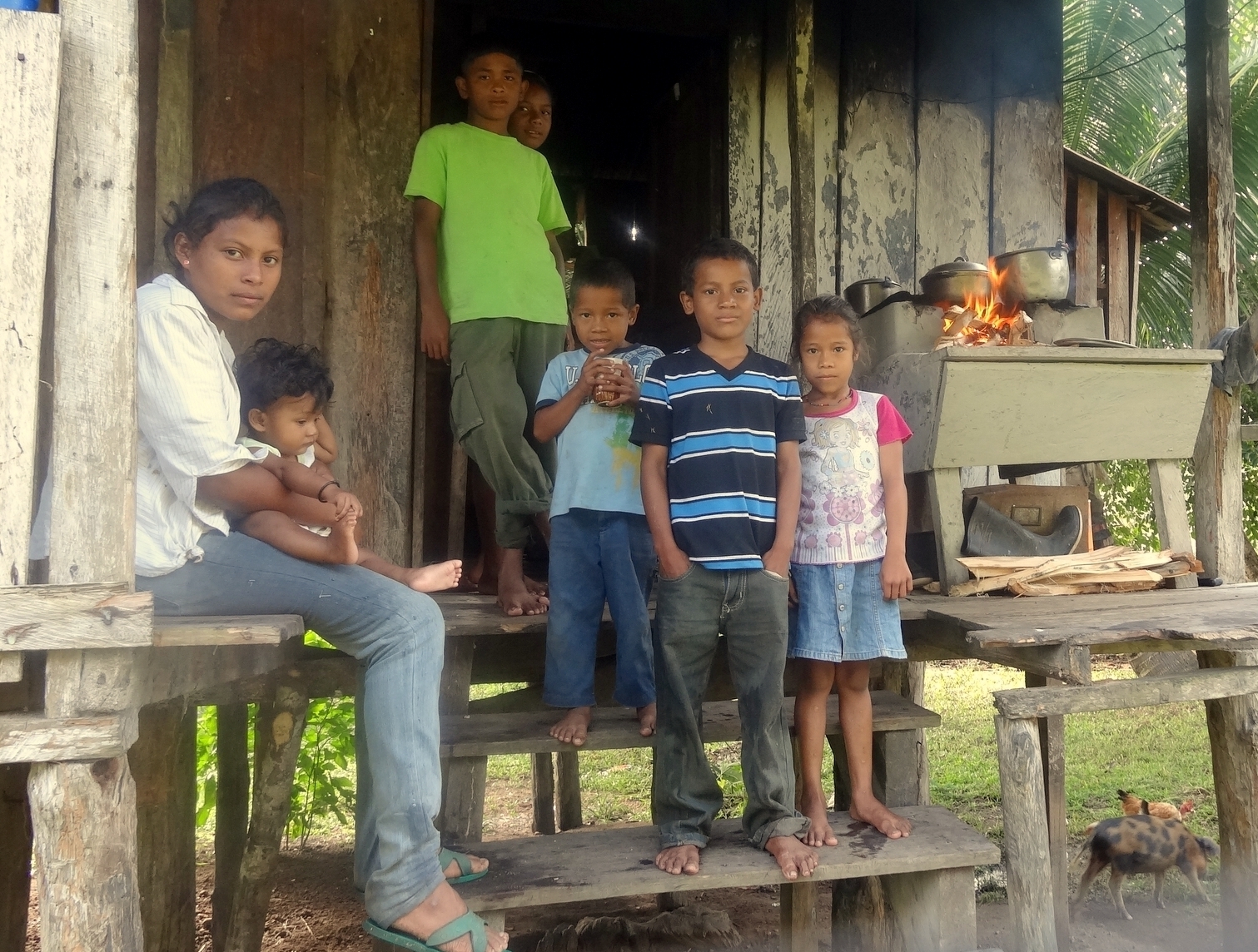
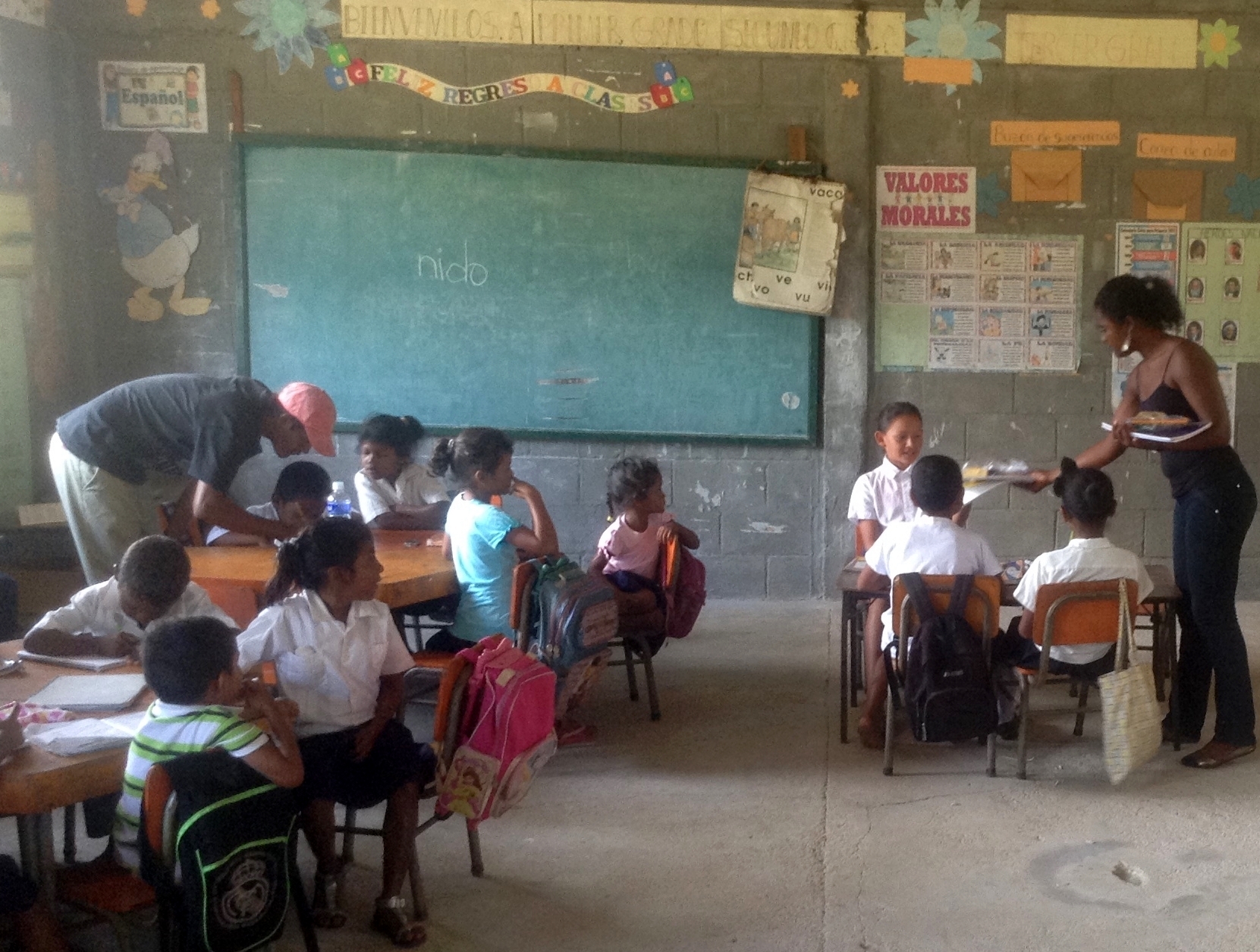
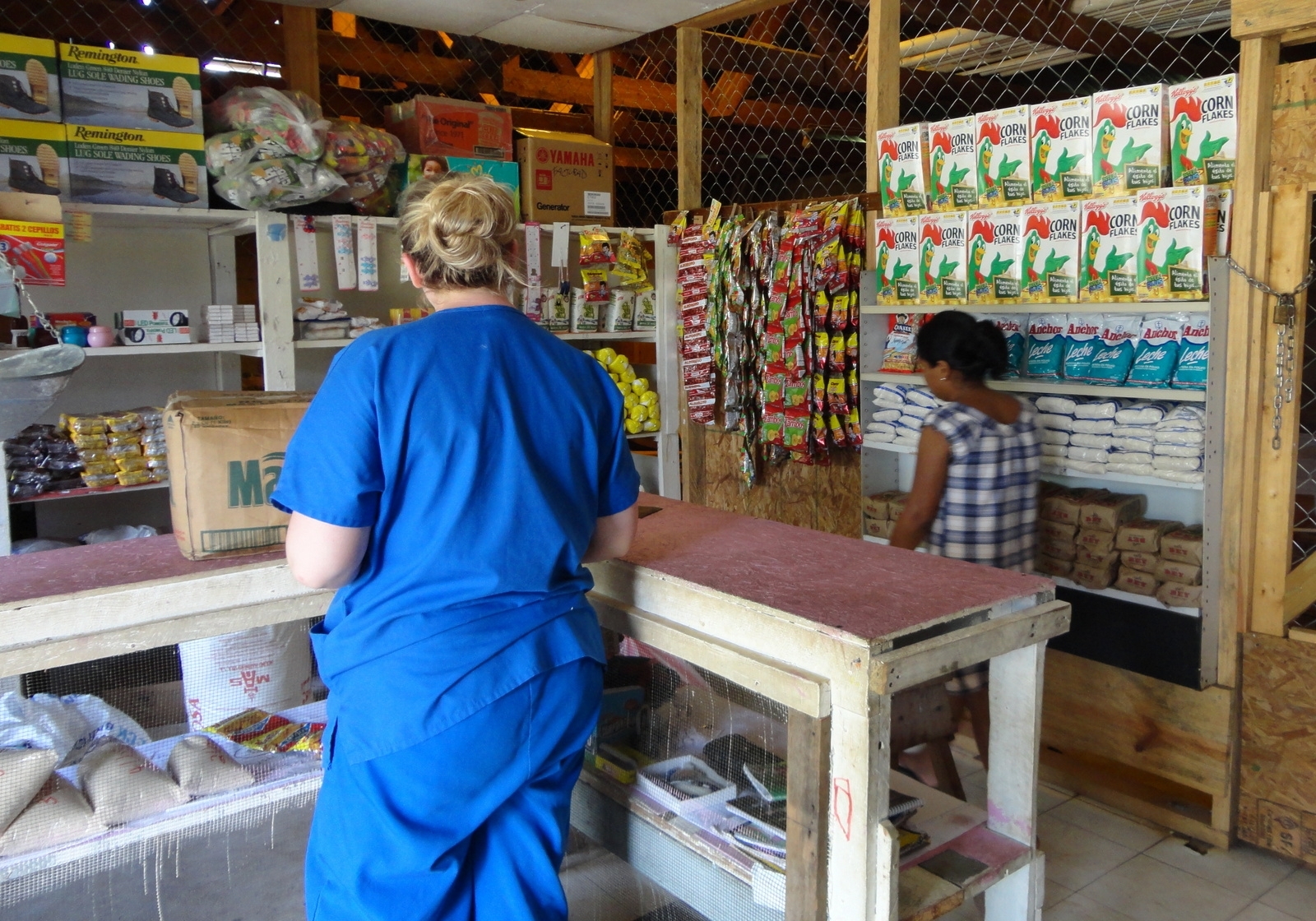
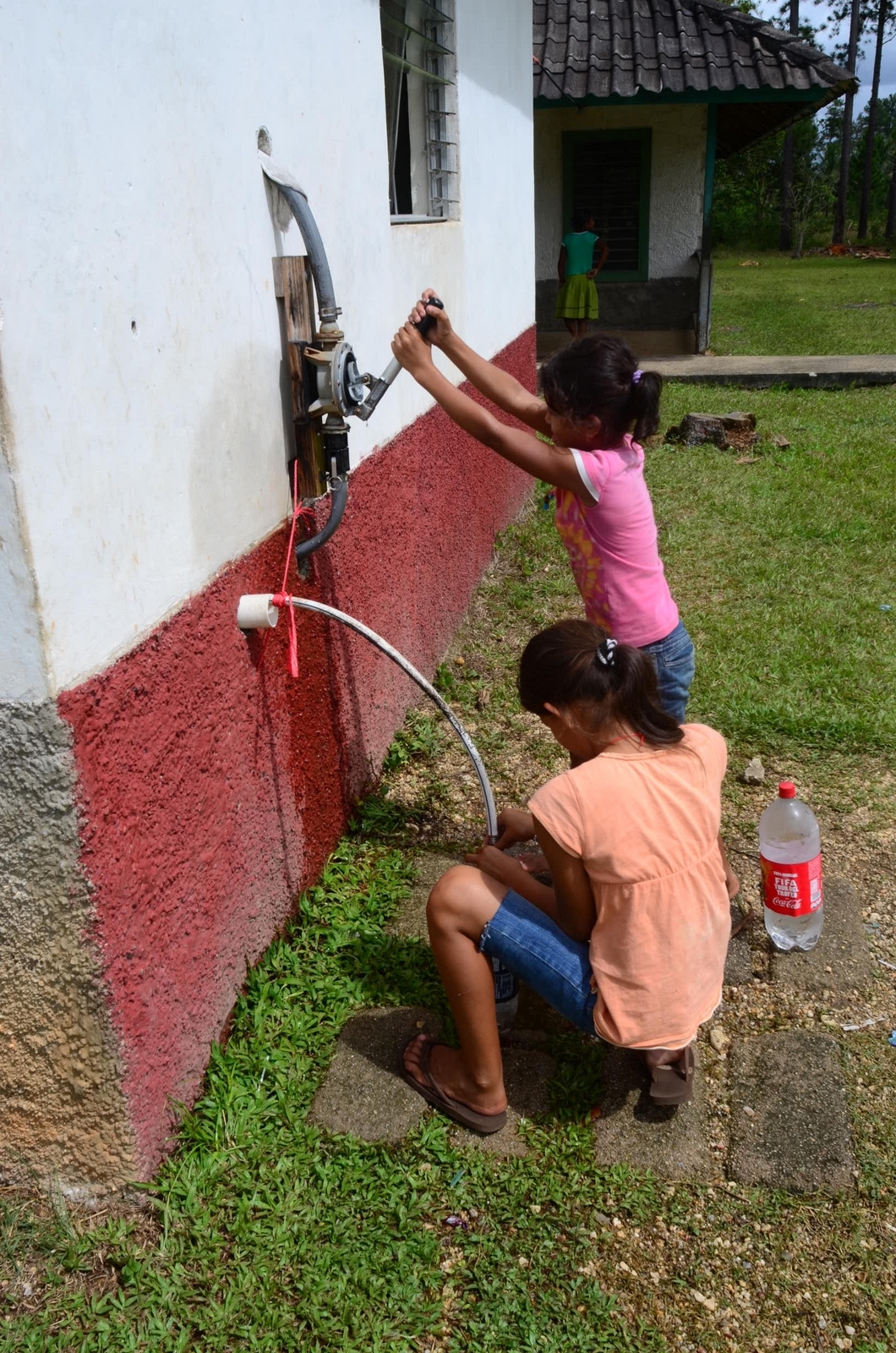
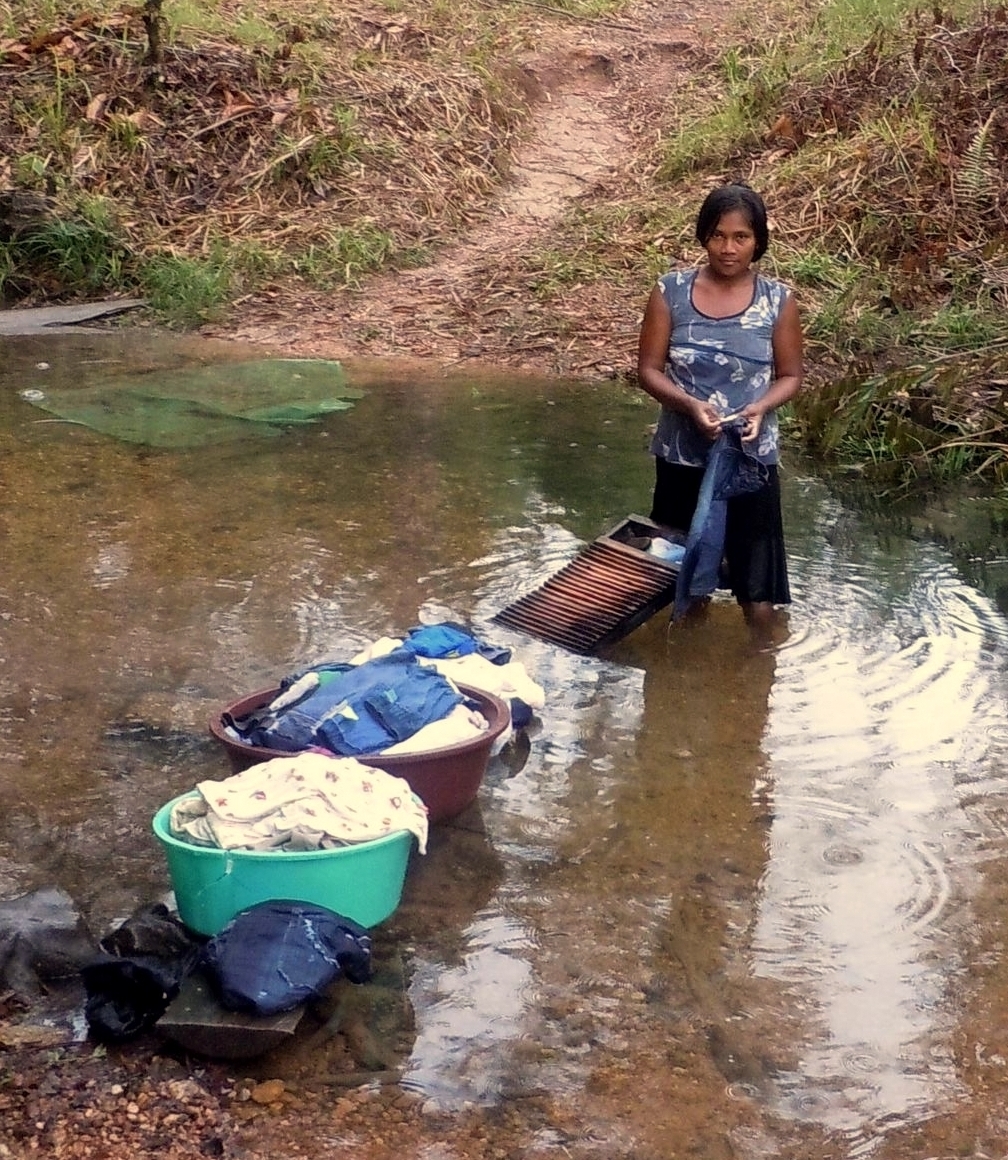
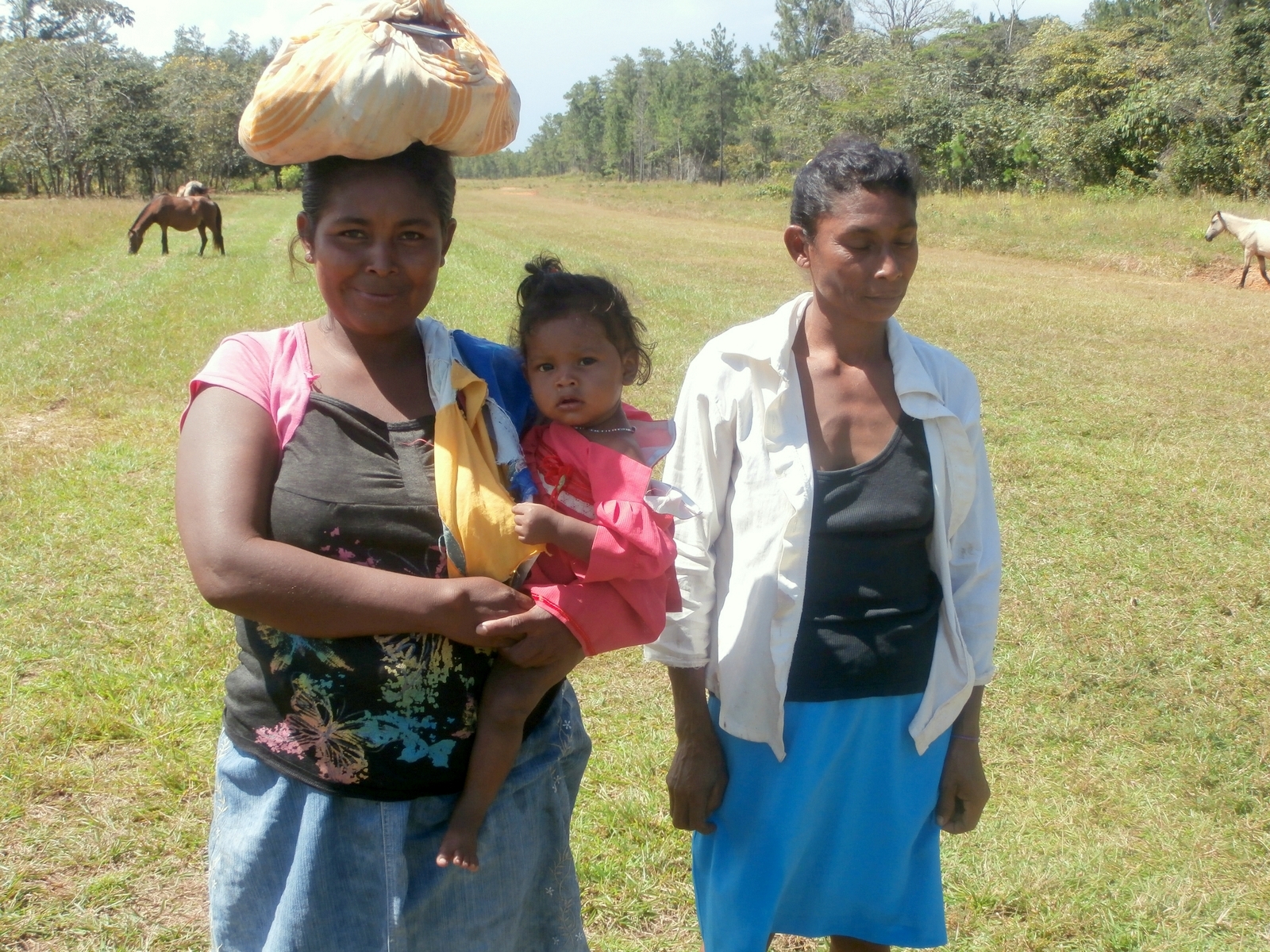
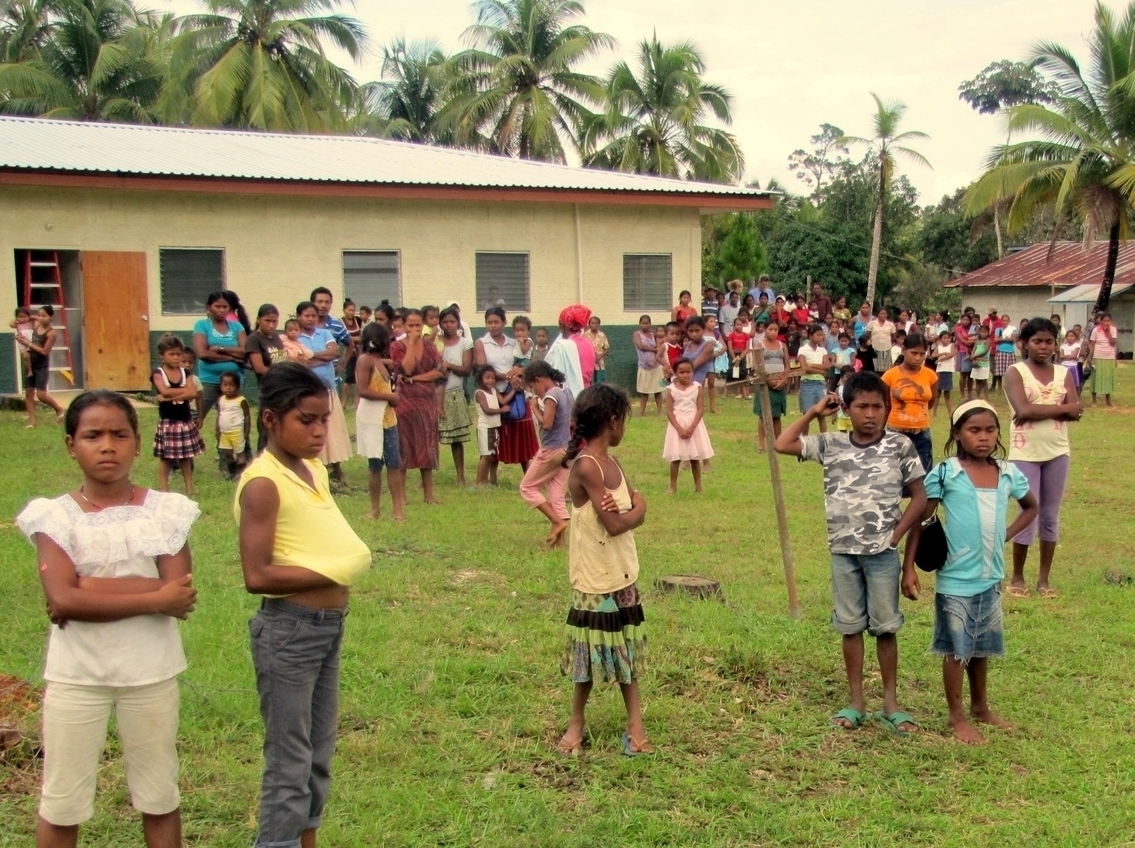
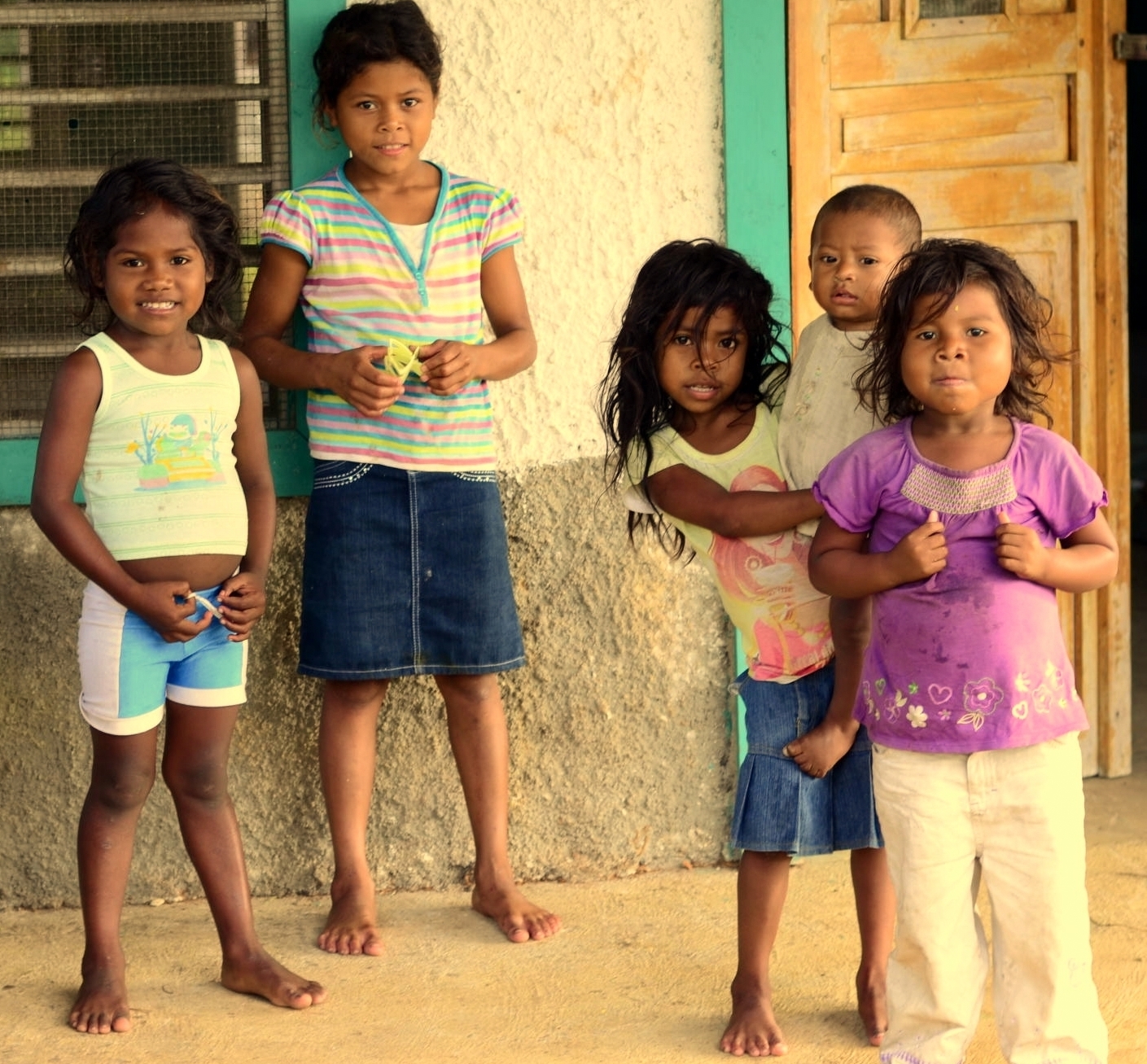
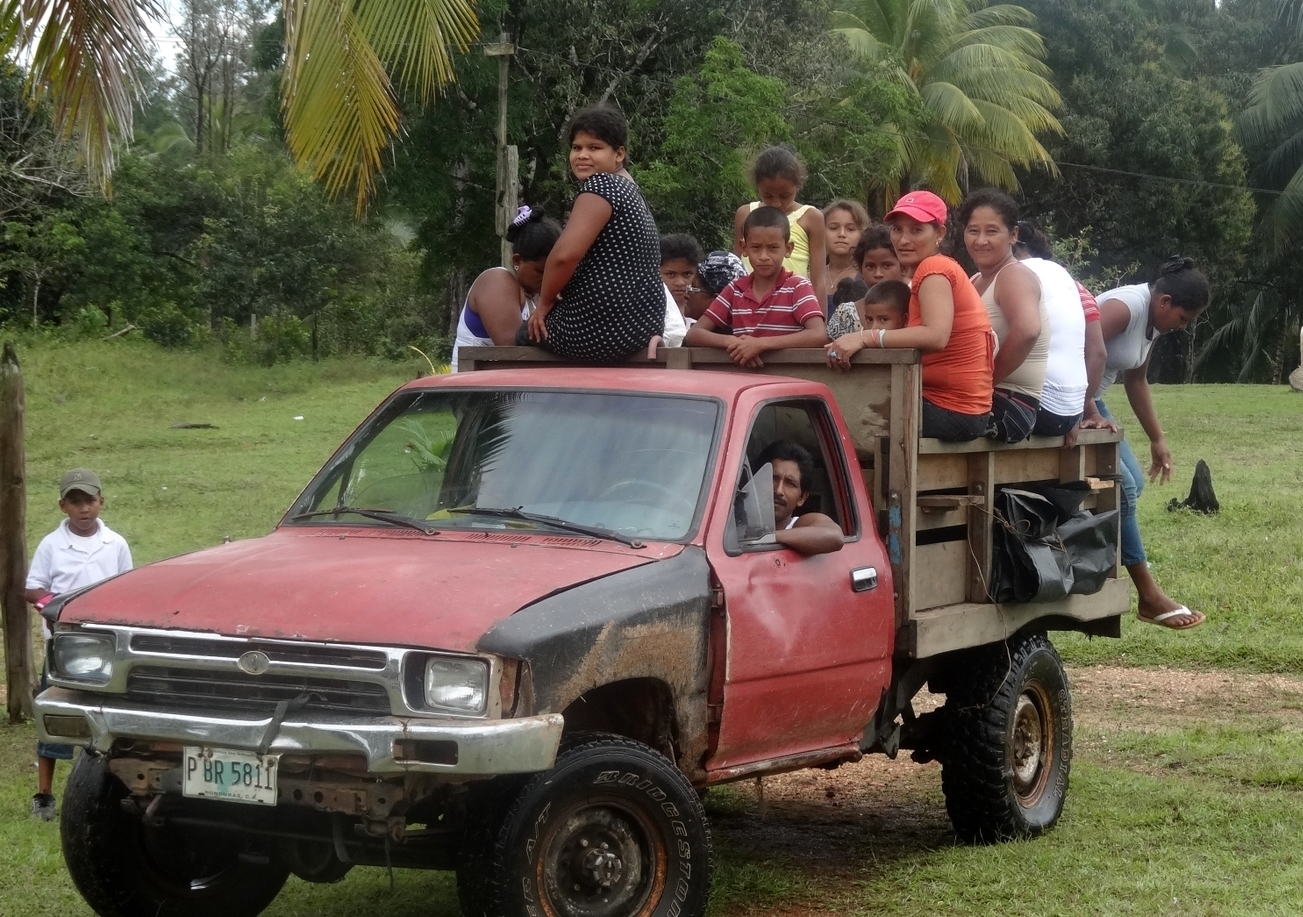
Here are some images highlighting life in the villlage. Most houses are modest, made of wood with tin or thatch roofs. The school is in a multi-purpose room with concrete floors. There is just one store in Rus Rus and it is roughly the size of a small bedroom. Many of the nearby villages do not have a store. Missionary Air Group (MAG) is the organization that supports the clinic’s operation. They installed a water pump that the entire village can use to get water from MAG’s hospital water purification system. Purified water has greatly helped the village’s general health.